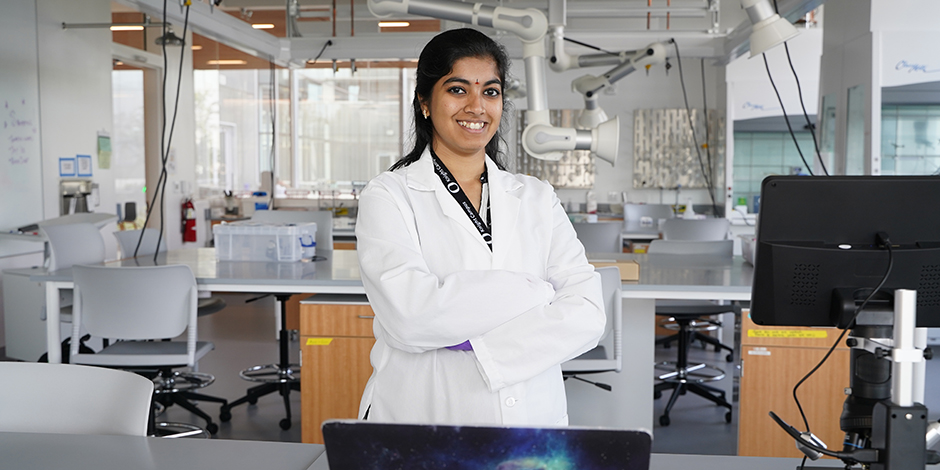
I joined the Phil and Penny Knight Campus for Accelerating Scientific Impact on September 2020, as the COVID-19 pandemic raged on across the U.S. and most parts of the world.
A lot of the projects for the Knight Campus Internship Program and the nascent Joint PhD Bioengineering Program benefited from remote work conditions. In my first year working for the Knight Campus, I spent most of the time dedicated to web development projects.
The most crucial and challenging project was creating a new and integrated Drupal website (using content from two websites, one based on a WordPress blog and another made with strict HTML) for the Knight Campus Graduate Internship Program, an academic merger of the former Bioinformatics and Genomics Master’s Program and Master’s Industrial Internship Program. Although the actual agreement to merge the two units into one effort had taken place in 2017, no progress in marketing and communications integration had been made until fall term 2020. The project took six months to complete. Streamlining of editorial process and social media channels began in 2021.
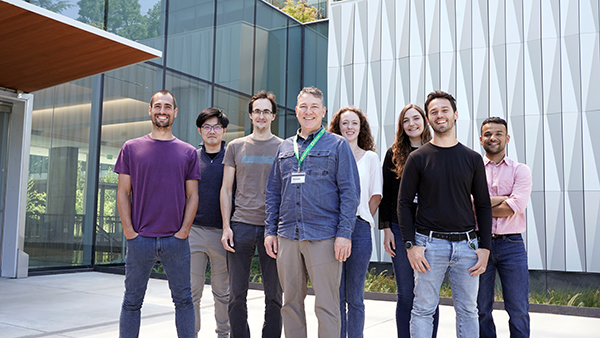
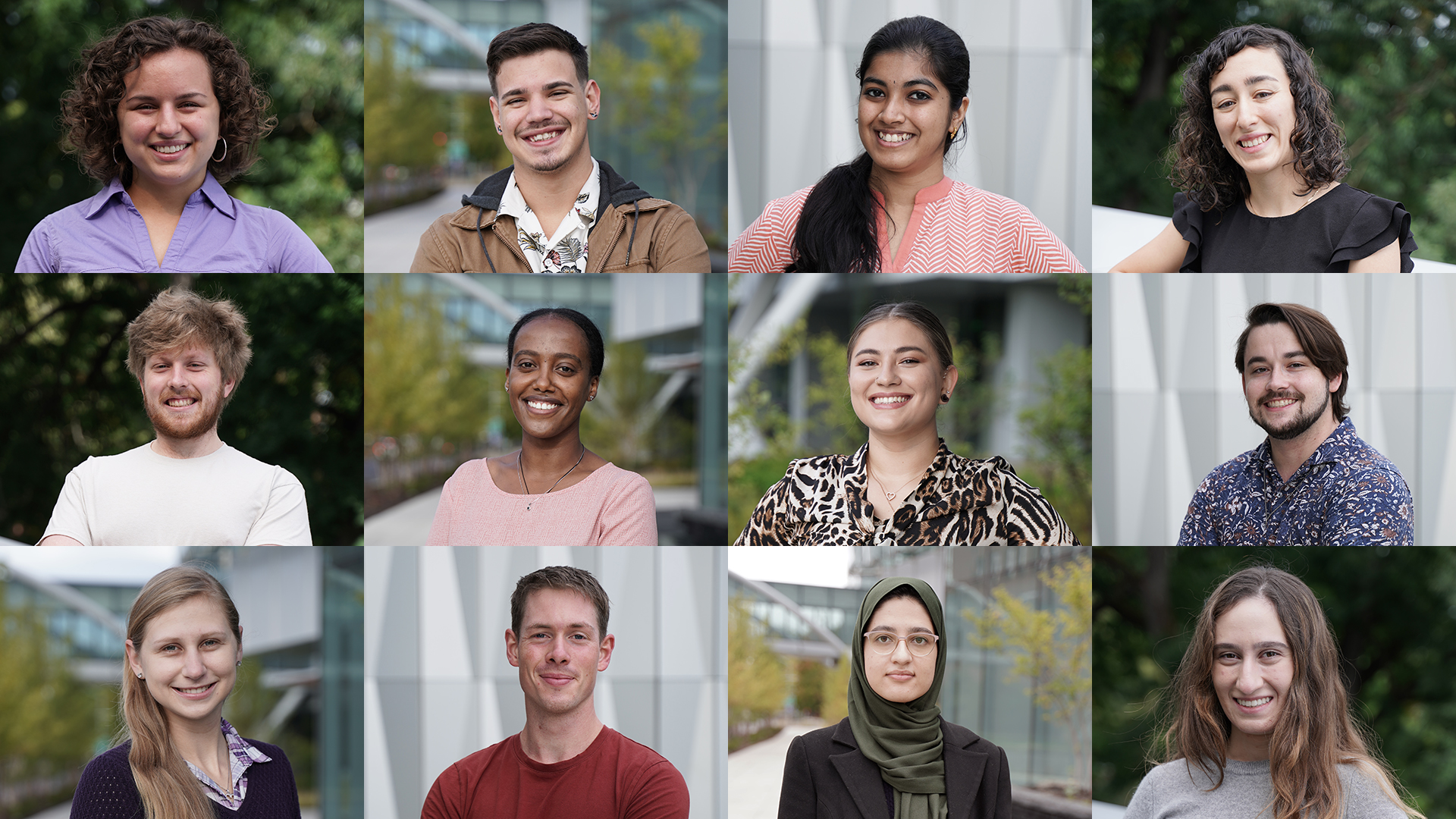
The second web development project of importance was the creation of a website for the brand new OSU-UO Joint PhD Bioengineering Program at the Knight Campus. The greatest logistical and marketing challenge in developing this project was the lack of any assets. However, kind first cohort students made the creation of key images and content a breeze. In addition, the new photo assets allowed for the creation of more digital and print materials, despite restrictions during the pandemic.
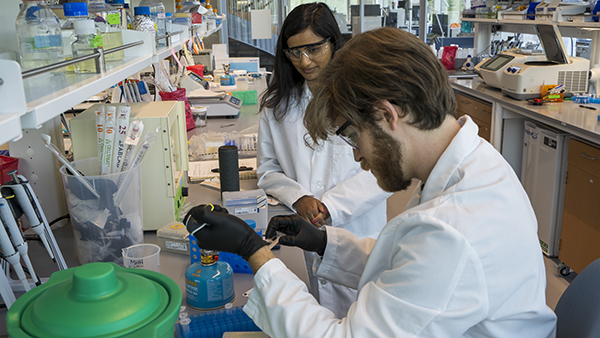
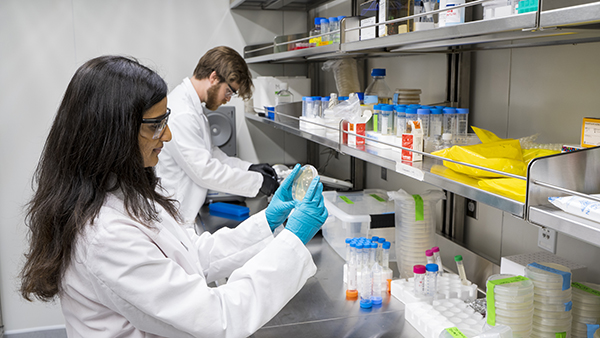
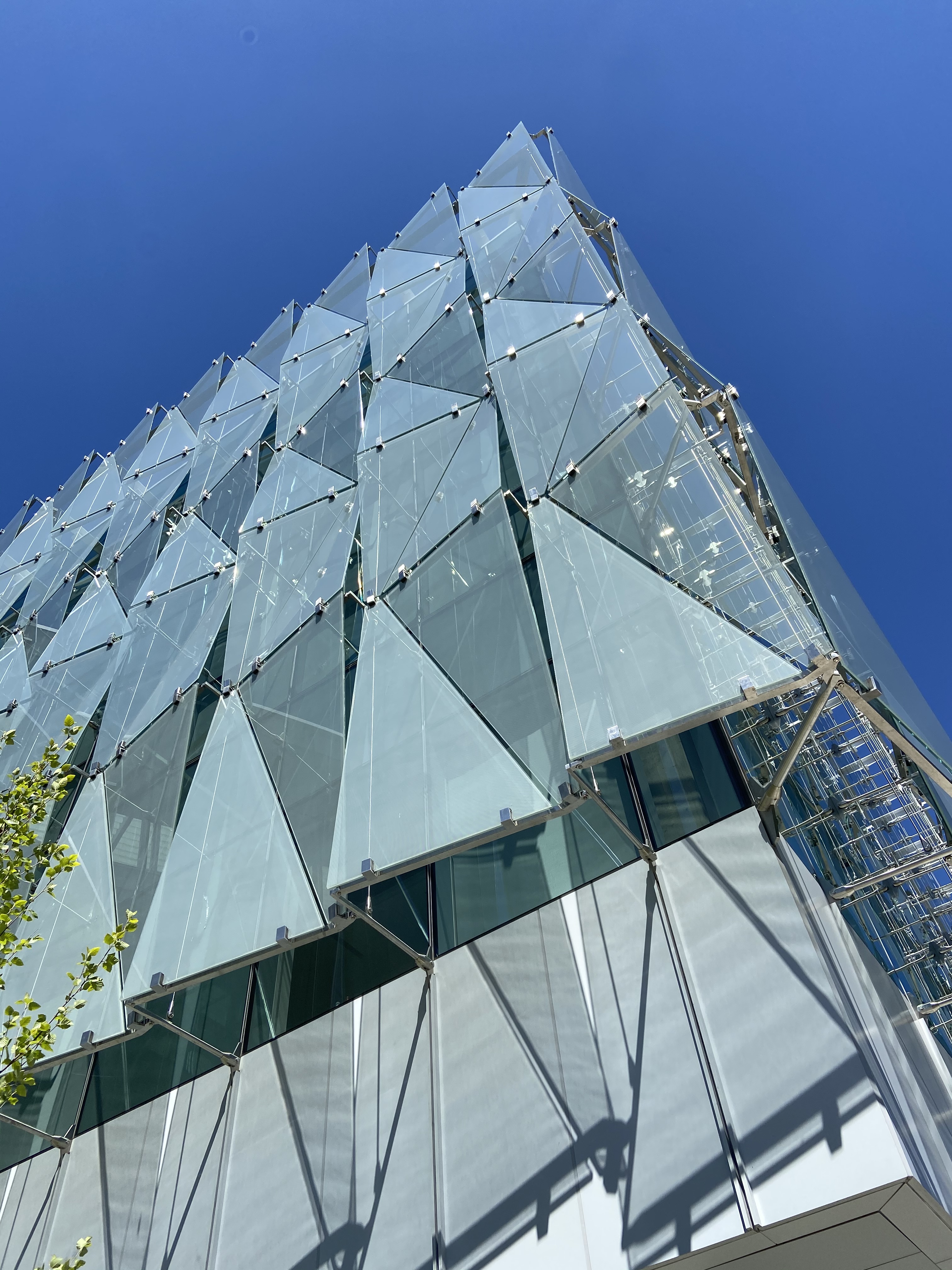
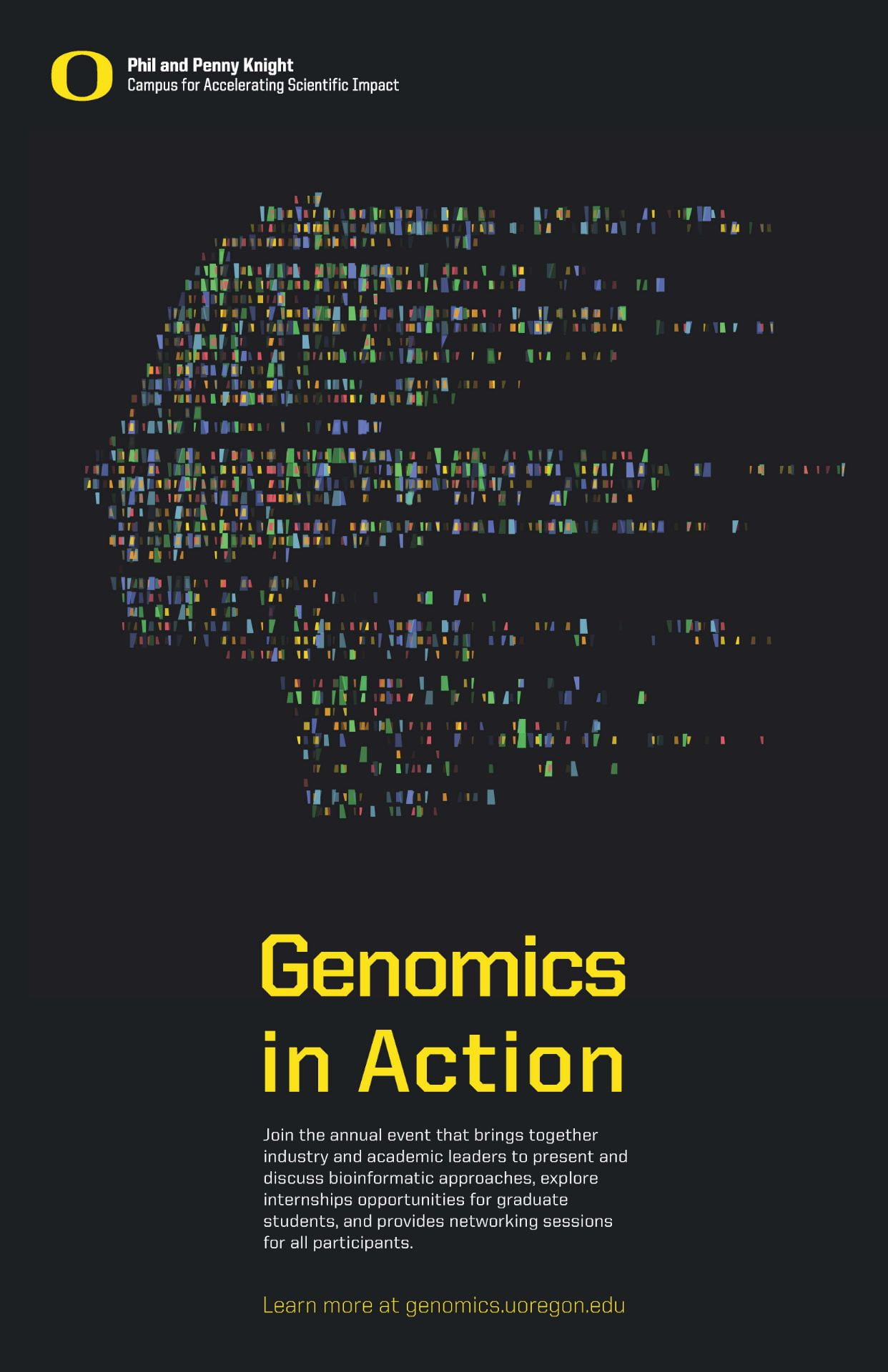
COVID-19 restrictions allowed for the experimentation with and use of tools like SpatialChat, in order to find novel ways to connect with students in virtual environments. One of the more successful virtual events during the pandemic was the 2021 Genomics in Action conference, which brought together scientists, internship students, and bioinformatics alumni.
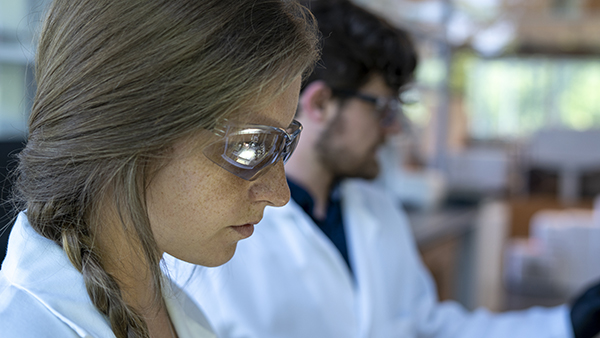
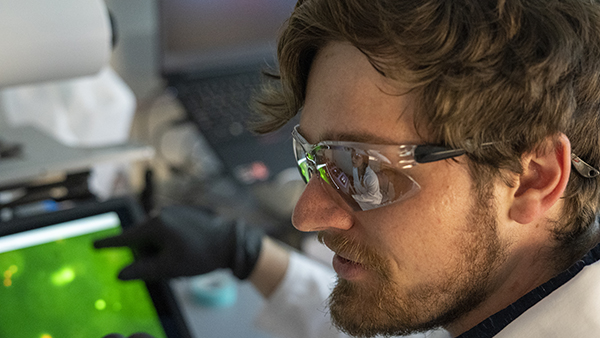
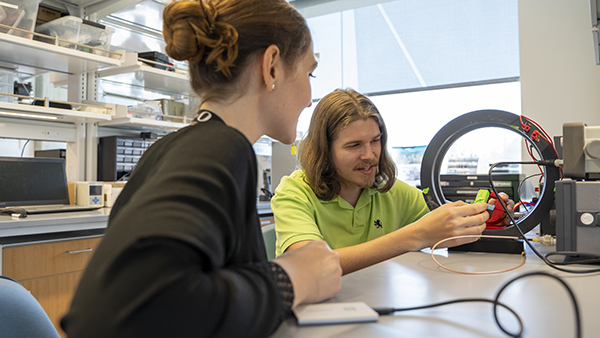
One of the most challenging issues during the pandemic was finding ways to capture faculty and students in video format. As vaccination rates increased and masking regulations were relaxed, it was possible to capture students and faculty within certain constraints. Faculty research vignettes are one such way that become a formula for successful engagement, presentation of subjects related to research labs, and at the same time produce work that did abide by regulations.
The two immersive pages celebrating the initial cohort for bioengineering were a great external and internal audience success. The Future Innovators page at some point amassed more click views than the actual application page on our bioengineering website. The successful photographic treatment, layout, and design were repurposed once more to celebrate the diversity of our second bioengineering cohort.
The work for the Phil and Penny Knight Campus also opened opportunities to conduct research photography and imaging experiments. I became familiar with tools such as PyMOL, ChimeraX, Avogadro, and Fiji. I also learned how to export Protein Data Bank (pdb) files into Blender for visual enhancement and rendering. While I have only begun work in this area, I am highly interested in how it could lead to better ways of helping visualize the research at the Knight Campus and explore ways of using design and animation skills in science illustration and visualization.

Capturing research action and collaborative work has been extremely challenging during the pandemic, so the use of protein visualization software and electron microscopes have become valuable tools in the creation of assets for the Knight Campus.
 Chakris Kussalanant